Carla Capone Psy.D.
Licensed Psychologist
About Carla
My approach to therapy is one of collaboration, fostering trust, and building a strong, authentic, and safe relationship with each other. I see therapy as a process, and not so much as a destination. During this process, many emotions can unfold—ones that you may be familiar with, and ones that may have felt far away.
My approach to therapy is one of collaboration, fostering trust, and building a strong, authentic, and safe relationship with each other. I see therapy as a process, and not so much as a destination. During this process, many emotions can unfold—ones that you may be familiar with, and ones that may have felt far away. Together, I hope to create an environment where it feels okay to explore anything and everything that comes to the mind and heart, and see where we can make some connections between the past and present along the way without judgement.
I practice therapy using a psychodynamic framework, which emphasizes uncovering and recognizing patterns, both helpful and not so helpful, that may be occurring in your life. A key belief of psychodynamic therapy is that our past can influence our present thoughts, feelings, and behaviors. Together with care and thoughtfulness, I hope to help you begin to explore these patterns and connections, with the goal of walking along side you as you create a more meaningful, fulfilling, and connected experience outside of the therapy space. Another important aspect of psychodynamic therapy is the focus on exploring relationships, including the one we will build. Oftentimes the distressing feelings we experience can be related to conflicts or complexities within our relationships, both past and present. By creating a trusting relationship with each other, we can begin to explore and process some of these conflicts, which may include ones that arise in the moment between us during session.
As each client and therapist relationship is so unique, I really value honoring the differences and similarities we may share as it pertains to our cultural backgrounds. Within my work, I try to pay close attention all the various ways identity may be affecting current functioning, and how your own diverse history may have shaped, and continue to shape, your emotional life. I have experience treating individuals of many different backgrounds and find that curiosity and appreciation towards one’s cultural background contributes deeply to the richness of therapeutic work.
I have experience seeing clients with many different presenting concerns including depression, anxiety, college mental health, and substance-related issues. However, I have a particular interest in working with individuals who are looking to explore relationship concerns, attachment dynamics, identity development, and/or work on emotion regulation. Another area of interest of mine includes individuals who may have been given a diagnosis of borderline personality disorder (BPD). While some labels can be helpful, this may look more like struggles with interpersonal relationships, fears of abandonment, experiencing intense emotions, difficulty with impulsivity, and/or engagement in self-harm behaviors.
In addition to clinical work, I am actively engaged in psychotherapy research and have recently been an author on a new book highlighting the evidence for psychodynamic therapy. Outside of work, I love to walk around the city, try new restaurants, practice yoga, and collect new vinyl.
If you think we may be a good match together, reach out to me and let’s have a conversation!
Carla Capone’s new book: ‘The Evidence for Psychodynamic Psychotherapy: A Contemporary Introduction’
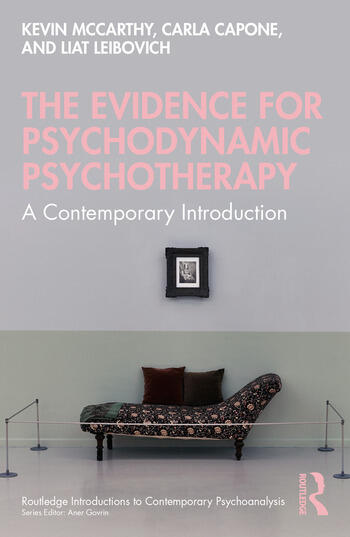
This book delivers a concise yet comprehensive introduction to the evidence for psychodynamic psychotherapy through explanations of research organized around therapy processes relevant to practicing clinicians and informed researchers.
Each chapter presents an event within dynamic therapy, from interpretation to termination, along with a narrative to help readers understand the why and the how of the process. Written in accessible and engaging language, each short chapter is a synthesis of findings in each topic area, going beyond subjects interesting only to researchers to aspects of practice relevant to therapists of all schools of thought.
The Evidence for Psychodynamic Psychotherapy is written for therapists to pick up and put down between clients, for mental health researchers to quickly find support for a point they wish to make, and for educators to assign brief readings to bolster students’ confidence in dynamic therapy.
Schedule a Meeting with CarlaSpecialties
- Borderline Personality Disorder (BPD)
- Attachment and relationship concerns
- Identity development
- College and graduate student mental health
- Depression
- Substance use concerns
- Sexuality
Education & Training
- PSYPACT-credentialed for interstate telehealth practice
- PA licensed psychologist
- PsyD in clinical psychology | Chestnut Hill College, Philadelphia PA
- M.S. in clinical psychology | Chestnut Hill College, Philadelphia, PA
- B.A. in psychology | Penn State University, State College, PA
Our Other Attune Therapists
Alyssa Shapiro Psy.D.
Meet Alyssa
Jon Krigel Psy.D.
Meet Jon
Deanna Denman Ph.D.
Meet Deanna
Dyani Saxby Ph.D., ABPP, DBSM
Meet Dyani
Jennifer Eng-Thakker LSW
Meet Jennifer
Jen King Ph.D.
Meet Jen
Rayna Markin Ph.D.
Meet Rayna
Eric Spiegel Ph.D.
Meet Eric
Still have some questions?
Reach out and one of our experienced therapists will get right back to you, and answer any questions and concerns you might have.
Talk to Us